
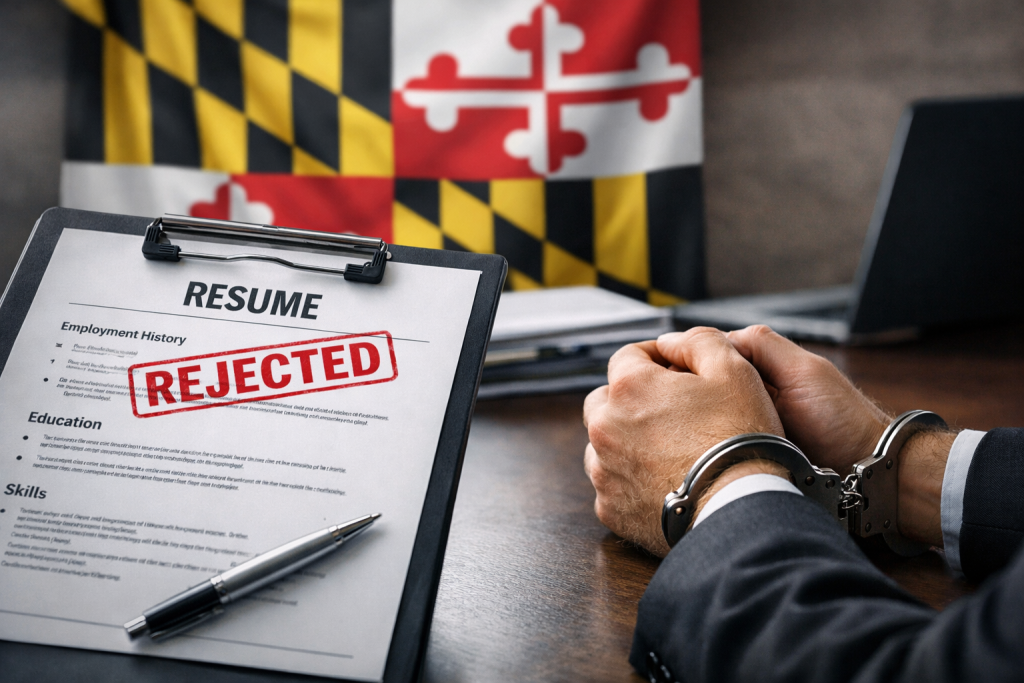
How a Maryland Theft Conviction Can Affect Your Future
A criminal conviction does not always end when a case is closed in court. For many people, the most difficult part begins afterward. A theft conviction in Maryland can create long term problems that affect employment, housing, professional licensing, education, and personal reputation. Even a misdemeanor theft offense can have serious consequences that follow someone for years.
People searching for answers often want to know a simple question: what happens after a conviction? The answer depends on the facts of the case, the sentence imposed, and the person’s background. Still, one thing is clear. A Maryland theft conviction can trigger collateral consequences that extend far beyond fines, probation, or jail time.
If you or a loved one is facing theft charges, it is important to understand not only the immediate penalties but also the lasting effects of a criminal record. Early legal guidance can make a major difference in protecting your future.
What Counts as a Theft Conviction in Maryland?
Maryland law covers a wide range of theft related conduct. A person may be charged for allegedly taking property, keeping property they were not entitled to keep, or acting with the intent to deprive the owner of it. Theft cases can involve shoplifting, employee theft, alleged fraud related conduct, and other property crimes.
The seriousness of a theft charge often depends on the value of the property involved. Lower value cases may be charged as misdemeanors, while higher value allegations can become felony level offenses. But even when a case seems minor, the consequences of a conviction can still be significant.
For example, a first time offender accused of taking merchandise from a store may assume the case will simply result in a fine. In reality, a conviction for theft may appear in background checks and raise concerns for future employers, landlords, and licensing boards.
Employment Problems After a Maryland Theft Conviction
Why employers pay close attention to theft offenses
One of the most common consequences of a criminal conviction is difficulty finding or keeping a job. Theft convictions are especially damaging in the employment context because they may be viewed as crimes involving dishonesty. Employers often worry about trust, reliability, access to money, and access to sensitive information.
This issue can affect applicants across many industries, including retail, healthcare, banking, education, government contracting, and office administration. Jobs that involve handling cash, inventory, financial records, or confidential data may be especially difficult to obtain after a theft conviction.
Consider a practical example. A job applicant in Maryland applies for an office manager role that includes bookkeeping duties. Even if the person has strong qualifications, a prior theft conviction may lead the employer to choose another candidate because of concerns about honesty and financial responsibility.
Loss of current employment
A conviction may also place a current job at risk. Some employers have policies requiring workers to report criminal convictions. Others may conduct periodic background checks. If the offense is connected to the employee’s duties, termination may follow. This can happen even when the offense occurred outside of work.
For professionals in positions of trust, a theft conviction may be particularly harmful. Employers may believe that retaining the employee creates business risk, customer concern, or insurance problems.
Professional Licensing and Career Setbacks in Maryland
Many people do not realize that a theft conviction can affect state issued licenses and certifications. In Maryland, various licensing boards review criminal history when considering whether a person should receive or keep a professional license. This issue may impact nurses, teachers, real estate professionals, security personnel, contractors, and many others.
Licensing agencies may focus on whether the offense relates to honesty, judgment, or fitness to perform professional duties. Because theft is often seen as a crime involving dishonesty, it can create serious obstacles. In some cases, an applicant may be denied a license. In others, the person may face discipline, suspension, or additional conditions before continuing to work.
Someone studying for a future career may also be affected. A student training for a licensed profession may discover that a theft conviction limits future opportunities before their career even begins.
Housing and Rental Challenges
Another serious consequence of a Maryland theft conviction involves housing. Landlords commonly run criminal background checks before approving rental applications. A conviction may cause a landlord to reject an applicant, particularly in competitive housing markets where landlords have many choices.
Although theft is not a violent offense, property related crimes can still raise red flags for housing providers. A landlord may worry about financial reliability, lease compliance, or risk to the property. This can make it harder to secure an apartment or rental home, especially if the conviction is recent.
Housing challenges can create a ripple effect in other areas of life. A person who cannot secure stable housing may also struggle to maintain employment, comply with probation terms, or support a family.
Immigration Consequences of a Theft Conviction
For noncitizens, the consequences of a theft conviction may be even more severe. Certain criminal convictions can affect immigration status, visa eligibility, green card applications, or naturalization. Theft related offenses may create serious immigration concerns depending on how the charge is structured and how the case is resolved.
Because the immigration impact of a criminal case can be highly case specific, it is critical for noncitizens to seek legal advice as early as possible. A plea that seems manageable from a criminal court perspective may carry damaging immigration consequences later.
When criminal and immigration issues overlap, careful planning matters. A defense strategy should account for both the immediate case and the potential long term effects on lawful status and future immigration options.
How Theft Convictions Affect Education and Financial Aid
A criminal record may also interfere with educational goals. Some schools, training programs, and scholarship providers ask about criminal history during the application process. While a theft conviction does not automatically prevent admission, it may lead to additional scrutiny.
Students pursuing internships, externships, or campus employment may encounter similar problems. If a position requires trust, handling property, or access to records, a theft conviction may become a barrier. This can be frustrating for someone trying to rebuild after a difficult legal situation.
In practical terms, a Maryland theft conviction can narrow options at a time when education should be opening doors.
Can a Maryland Theft Conviction Be Expunged?
Expungement may be available in limited situations
Many people ask whether they can clear their record after a theft case. In Maryland, expungement rules are specific, and eligibility depends on the outcome of the case. Some non conviction outcomes may be eligible for expungement sooner, while convictions may only qualify in limited circumstances or after waiting periods established by law.
Not every conviction can be removed, and the timeline matters. Filing too early or assuming eligibility without legal advice can lead to disappointment. Still, expungement can be an important tool for reducing the long term impact of a criminal case when it is available.
Why legal review is important
A lawyer can review the exact charge, court disposition, sentence, and dates involved to determine whether expungement or another form of record relief may be possible. This step is important because record clearing options can directly affect job applications, housing opportunities, and professional advancement.
What To Do If You Are Facing Theft Charges in Maryland
The best way to avoid the consequences of a criminal conviction is to take the charge seriously from the start. Many people make the mistake of treating a theft case as minor, especially when the alleged dollar amount is low. But even a seemingly small case can leave lasting damage.
If you are under investigation or have been charged, practical steps include avoiding statements to law enforcement without counsel, preserving records and communications that may help your defense, and speaking with a criminal defense attorney as soon as possible. Early intervention may create opportunities to challenge the evidence, negotiate for a better outcome, or pursue a resolution that reduces the long term harm to your record.
Every case is different. Sometimes the key issue is identity. In other cases, intent, ownership, or value of the property may be disputed. A thoughtful defense can focus not only on the courtroom result but also on protecting your future opportunities.
Protecting Your Future After a Maryland Criminal Charge
The consequences of criminal convictions often reach far beyond the sentence imposed by the court. In Maryland, a theft conviction can affect employment, licensing, housing, education, and immigration status. What may look like a short term legal problem can become a long term obstacle if it is not handled carefully.
Understanding these risks is the first step. The next step is getting reliable legal advice tailored to your situation. Whether you are fighting a pending charge or trying to understand the impact of a past conviction, informed guidance can help you make decisions that protect your future.
For anyone concerned about the consequences of criminal convictions in Maryland, addressing the issue early may provide the best chance to limit damage and move forward with confidence.