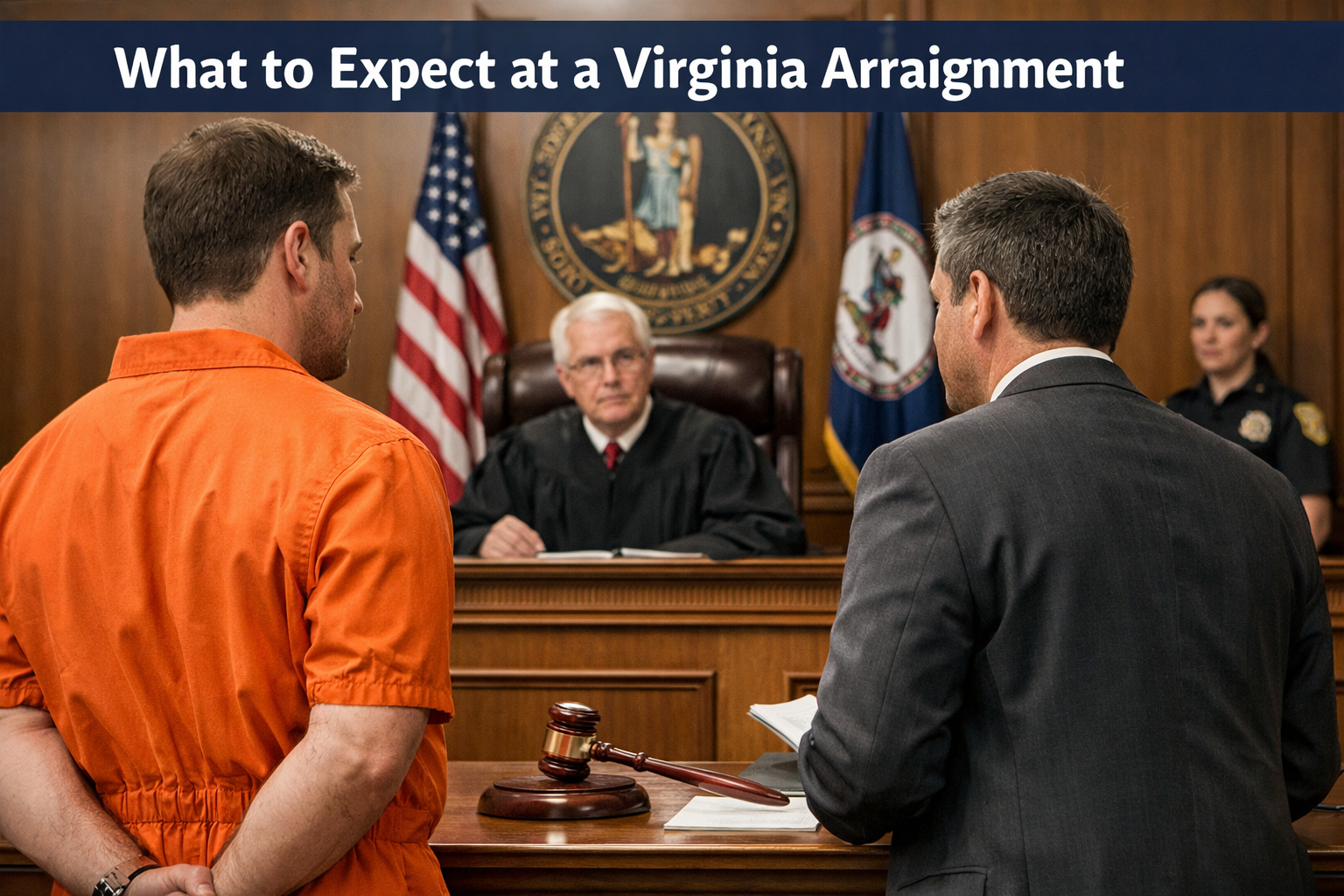
Understanding the Arraignment Process in Virginia
If you or a loved one has been charged with a crime, one of the first court dates you may hear about is the arraignment. For many people, this is also one of the most confusing parts of the criminal defense process. An arraignment in Virginia is not a trial, and it is not the stage where the court decides guilt or innocence. Still, it is a critical hearing that can affect what happens next in your case.
People often search online for answers after an arrest because they want to know what to expect, whether they need a lawyer, and what they should say in court. Understanding how a Virginia arraignment works can help you avoid costly mistakes and make more informed decisions early in your case.

This overview explains the purpose of an arraignment, what typically happens during the hearing, and why early legal guidance can matter in misdemeanor and felony cases across Virginia.
What Is an Arraignment?
An arraignment is usually one of the first formal court appearances in a criminal case. At this hearing, the court informs the accused person of the charge or charges and addresses basic issues such as legal representation and the next court date. In many cases, the judge will also ask whether the person plans to hire a lawyer or wants the court to appoint one if financially eligible.
In simple terms, the arraignment is about making sure the case is moving forward properly and that the accused understands the allegations. It is an administrative but important step in the Virginia criminal defense process.
What an arraignment is not
Many people assume they will have to tell their side of the story at arraignment. Usually, that is not what happens. This hearing is generally not the time to present evidence, call witnesses, or argue the full facts of the case. It is also not the time to try to explain away the accusation without legal advice.
Anything you say in court can potentially affect your case. That is one reason criminal defense lawyers often advise clients to speak carefully and keep the focus on procedural matters at this stage.
When Does an Arraignment Happen in Virginia?
In Virginia, the timing of an arraignment can depend on the type of charge and the court handling the matter. Many misdemeanor cases begin in the General District Court. Felony matters may start in district court and later move to Circuit Court if the case proceeds. The exact process can vary by jurisdiction, but arraignment often occurs soon after charges are filed or after an arrest and release.
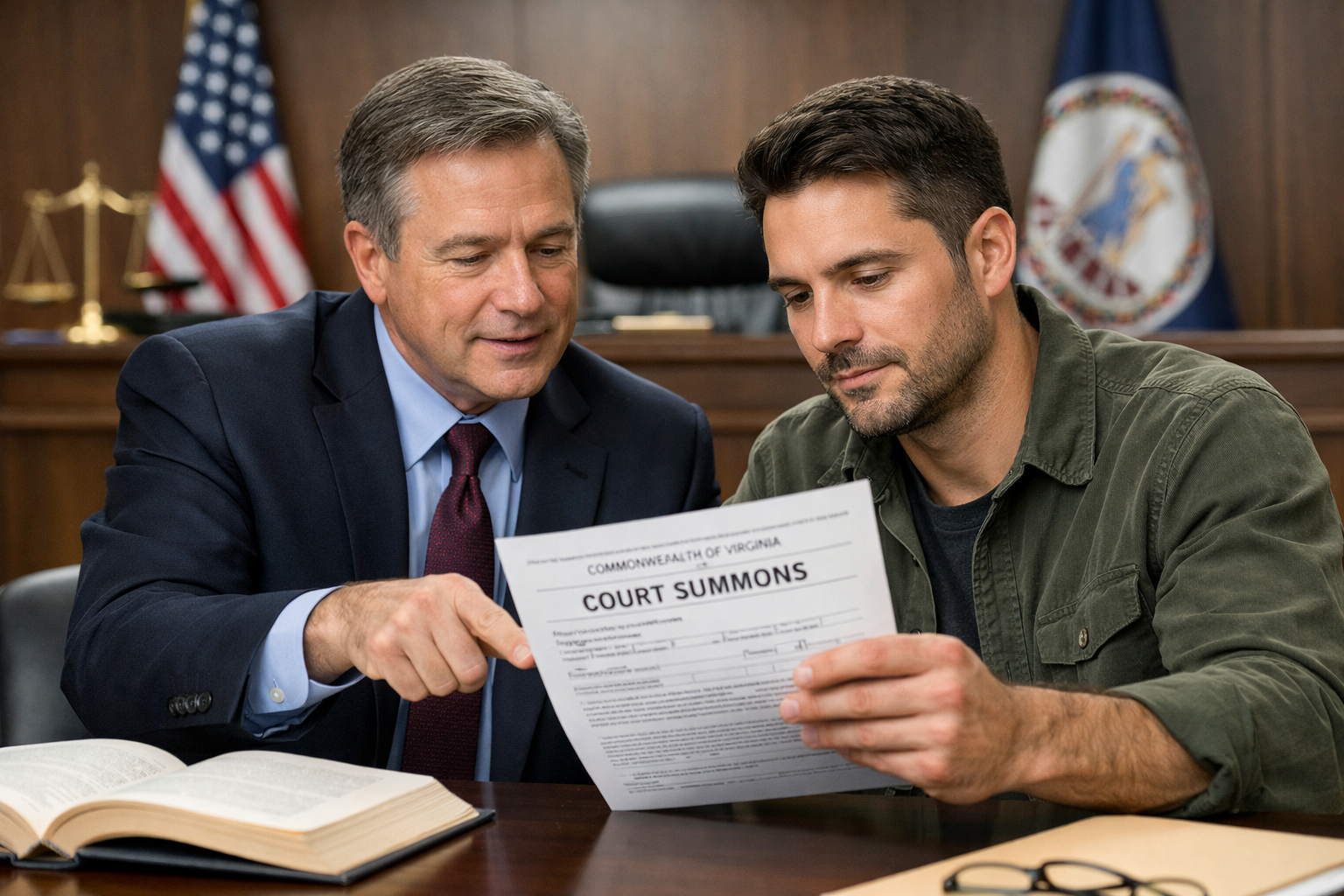
Some people receive a summons with a court date instead of being taken into custody. Others may be arrested and then appear before a judge quickly, especially if bond and release conditions are involved. Because local practices can differ, it is important to review your paperwork carefully and confirm your court date, courtroom, and reporting time.
What Happens at a Virginia Arraignment?
Although every case is different, most arraignments in Virginia involve a few common steps. Knowing these steps can help reduce anxiety and help you prepare.
The judge identifies the charge
The court will state the criminal charge or charges against you. This may include the offense name and, in some cases, the code section involved. If the charge sounds unfamiliar or confusing, that is normal. Legal wording can be technical, and a lawyer can explain what the charge actually means and what penalties may be possible.
The court addresses your right to counsel
One of the most important parts of arraignment is the issue of legal representation. The judge may ask whether you have hired an attorney, intend to hire one, or want to apply for a court appointed lawyer. If you may qualify for appointed counsel, the court can provide information about the process.
Even in cases that seem minor, having a defense attorney early can make a real difference. A lawyer can identify defenses, evaluate the strength of the prosecution’s evidence, and help protect you from making statements that may later be used against you.
The next court date may be scheduled
In many cases, the court sets a future date for trial, a preliminary hearing, or another status hearing. That date matters. Missing court can lead to additional legal problems, including a failure to appear charge or a capias, which is similar to a bench warrant.
Bond and release issues may come up
Depending on the case, the court may also address bond conditions or release terms. This can be especially important if the arrest involved allegations of violence, repeat offenses, or concerns about public safety. A lawyer can argue for reasonable conditions and help you understand what restrictions apply while the case is pending.
Do You Enter a Plea at Arraignment in Virginia?
Whether a plea is entered at arraignment can depend on the court and the nature of the case. In some situations, especially for more serious charges, the hearing is primarily focused on notice of the charge and counsel. In other cases, plea related issues may arise sooner.
Because the consequences of a guilty plea can be significant, you should not assume that resolving the case quickly is the best choice. A conviction can affect employment, professional licensing, immigration status, security clearance, housing opportunities, and more. Before entering any plea, it is wise to understand the evidence, possible defenses, and long term consequences.
Why Early Mistakes Can Hurt Your Defense
One of the biggest risks at the beginning of a criminal case is underestimating the importance of the first court appearance. People sometimes go to arraignment without a lawyer because they think they can handle it alone. Others speak too freely because they want to appear cooperative. Unfortunately, early missteps can make a defense strategy harder later.
Common mistakes people make
Some of the most common problems include:
Showing up late or going to the wrong courtroom
Failing to bring court papers or identification
Speaking about the facts of the case in open court
Assuming a misdemeanor is not serious
Ignoring bond conditions or no contact orders
Waiting too long to hire counsel
Even a first offense can carry consequences that reach far beyond fines or a short period of incarceration. The earlier a defense lawyer becomes involved, the sooner that lawyer can begin protecting evidence, reviewing police conduct, and advising you on what to do next.
Example Scenario: First Time Assault Charge
Imagine someone in Fairfax, Virginia is charged after an argument outside a restaurant. The accused believes the matter is just a misunderstanding and expects to explain everything to the judge at arraignment. But the arraignment is not the trial. If that person starts discussing the incident in court, those statements could create problems later.
A better approach is to appear on time, act respectfully, avoid discussing the facts publicly, and speak with a criminal defense attorney as soon as possible. The lawyer may be able to assess witness issues, surveillance footage, self defense arguments, and whether the prosecution can actually prove the charge.
How a Defense Lawyer Can Help Before and After Arraignment
Legal representation is not just for trial. In many criminal cases, the groundwork for a strong defense begins immediately. A Virginia criminal defense attorney can help by explaining the charge in plain language, appearing with you in court when permitted, seeking appropriate bond terms, and developing a strategy from the outset.
Early legal help may include
Reviewing charging documents and court dates
Explaining possible penalties and collateral consequences
Advising you about what not to say
Identifying constitutional or evidentiary issues
Communicating with prosecutors when appropriate
Preparing for the next stage of the case
In some situations, early action can improve the outcome. For example, counsel may identify weaknesses in the prosecution’s case, preserve favorable evidence, or position the matter for dismissal, reduction, or a more favorable resolution.
Preparing for Your Arraignment in Virginia
If you have an upcoming arraignment in Virginia, a few practical steps can help. Read all paperwork carefully. Confirm the date, time, and courthouse location. Dress neatly and arrive early. Turn off your phone before entering the courtroom. Most importantly, avoid discussing the facts of your case with anyone other than your lawyer.
If you already have counsel, ask what to expect in that specific court. If you do not yet have a lawyer, consider speaking with one before the hearing so you understand your options and your obligations.
Final Thoughts on the Virginia Criminal Defense Process
An arraignment may seem routine, but it is a meaningful step in the Virginia criminal defense process. It sets the tone for the case and gives you the chance to protect your rights from the beginning. Whether you are facing a misdemeanor or felony allegation in Richmond, Fairfax, Arlington, or elsewhere in Virginia, taking the first court appearance seriously is essential.
If you have questions about what to expect at a Virginia arraignment, speaking with an experienced criminal defense attorney can help you move forward with clarity and confidence.